

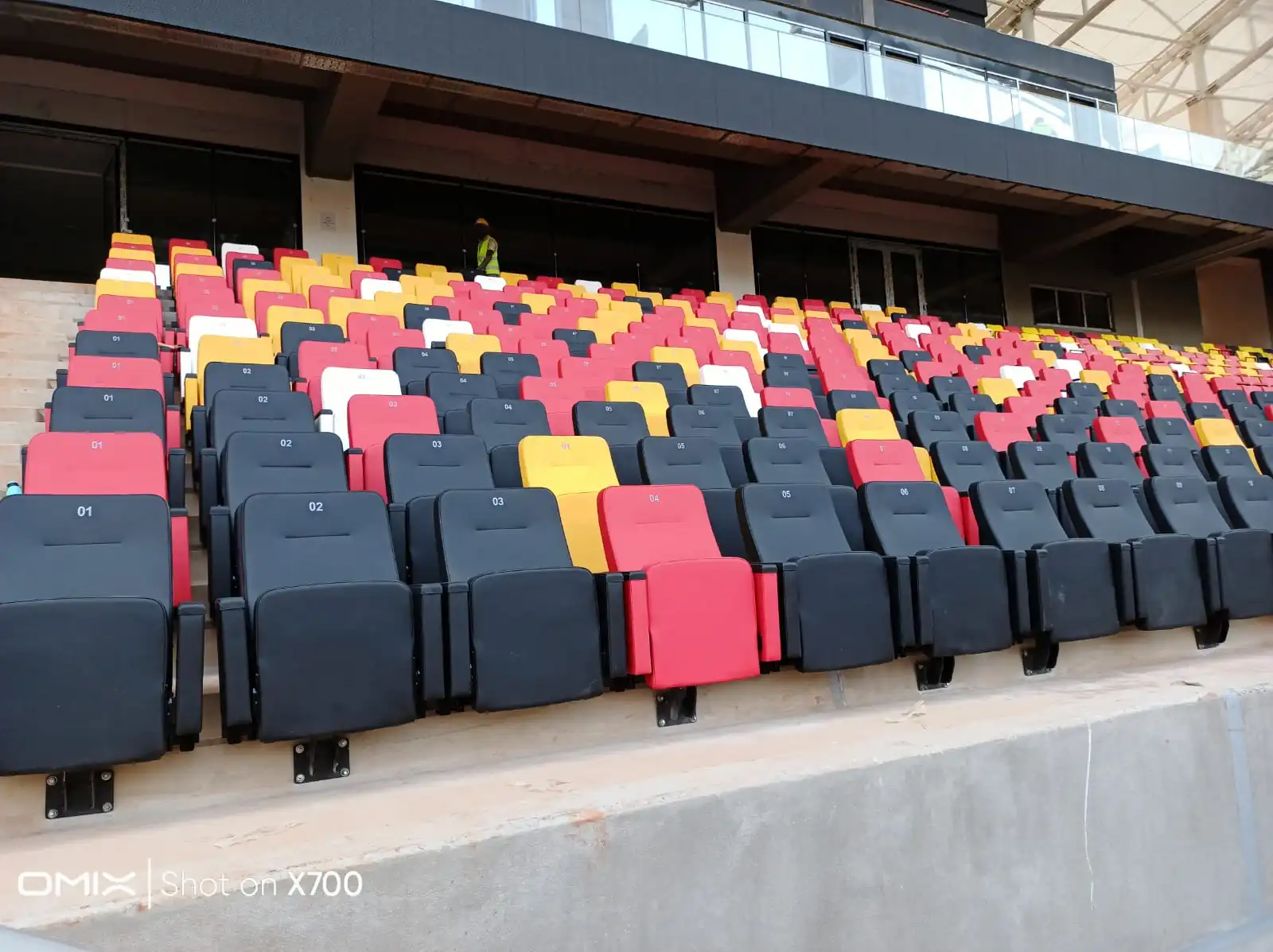
European Stadium Seating
Across Europe, stadiums are more than sports venues. They are civic landmarks, cultural gathering points, and long term infrastructure investments. From football grounds in major capitals to regional multi purpose arenas, seating systems play a decisive role in how these spaces function and how they are experienced by the public.
European stadium seating is shaped by a combination of strict regulations, diverse climates, architectural heritage, and high expectations from spectators. This makes seating design a complex discipline that goes far beyond basic capacity planning.
The European Approach to Stadium Seating
In European projects, seating is planned as part of the overall architectural and operational strategy. Each country applies its own building codes and safety regulations, yet there is a shared emphasis on precision, order, and long term usability.
Key characteristics commonly expected across European venues include
Consistent sightlines across all seating sections
Clearly defined circulation and access routes
High levels of spectator safety and structural stability
Integration with existing architectural forms
Seating systems must align seamlessly with these requirements while remaining adaptable to different event types.
Regulatory Environment and Compliance
European stadiums operate under some of the most demanding regulatory frameworks in the world. Seating systems must comply with national standards, European Union guidelines, and international sports federation requirements.
This affects multiple aspects of seating design
Dimensional accuracy for rows and aisles
Load bearing performance under full capacity
Compatibility with emergency evacuation planning
Accessibility for all spectator groups
Compliance is not treated as a formality. It is a core performance criterion that directly influences approval processes and long term operation.
Climate and Material Performance
European climates vary significantly from region to region. Seating systems used in northern Europe face different challenges than those installed in southern or coastal areas.
For this reason, material selection is a critical part of the design process. Seating must perform reliably under conditions such as
Prolonged exposure to sunlight
Rain, humidity, and temperature variation
Seasonal use and inactivity periods
Durable materials and stable fixing systems ensure that seating maintains its structural integrity and visual quality over time, regardless of location.
Spectator Comfort and Viewing Quality
European spectators place strong emphasis on viewing quality and comfort. Many stadiums host long matches, tournaments, and additional events that require extended periods of seating.
Comfort oriented design focuses on
Balanced seating geometry that supports natural posture
Adequate spacing between rows for movement and legroom
Back support that remains comfortable over long durations
Comfort is not designed to stand out visually. It is designed to disappear, allowing the spectator to focus entirely on the event.
Capacity Management and Crowd Flow
European stadiums often operate in dense urban environments where space is limited and access points are carefully controlled. Seating layout plays an important role in managing crowd flow efficiently.
Well planned seating systems contribute to
Smooth entry and exit processes
Clear separation between seating blocks
Reduced congestion in aisles and stairways
This structured approach supports both safety and operational efficiency during high attendance events.
Visual Identity and Architectural Integration
Many European stadiums are closely tied to regional identity and architectural tradition. Seating design must respect this context while delivering modern performance.
Visual integration involves
Color coordination with club or national identity
Uniform alignment that enhances architectural rhythm
Clean transitions between seating sections and structural elements
Seating becomes part of the visual language of the stadium, reinforcing its character rather than competing with it.
Long Term Use and Sustainability
European stadium projects are typically evaluated over decades, not seasons. Seating systems must support this long term perspective.
Design decisions often prioritize
Resistance to wear and surface degradation
Ease of inspection and maintenance
Continued performance across different event formats
This approach ensures that stadium seating remains functional and presentable throughout the full lifecycle of the venue.
Seating as an Integrated System
In European stadiums, seating is never considered in isolation. It interacts with structural engineering, crowd safety planning, broadcast requirements, and facility management.
When designed and implemented correctly, seating systems
Support operational reliability
Enhance spectator satisfaction
Contribute to regulatory compliance
Strengthen the overall value of the venue
Conclusion
European stadium seating reflects a balance between regulation, comfort, durability, and architectural sensitivity. It is shaped by diverse conditions but unified by a commitment to quality and long term performance.
In modern European venues, seating is not simply where spectators sit. It is a fundamental component that defines how the stadium operates, how it is perceived, and how it endures over time.